


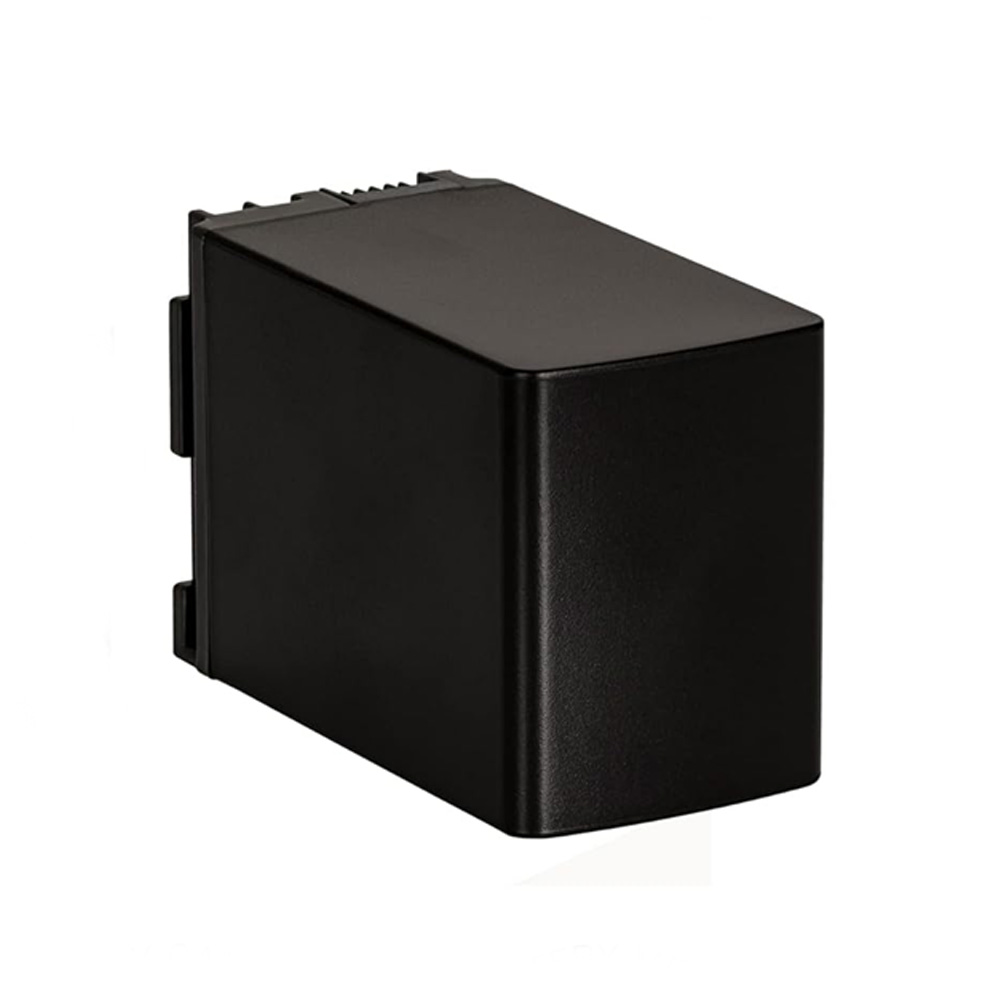
A photographer friend messaged me last week: “I’m heading to Iceland next month to shoot the Northern Lights. Can I check my camera batteries? How many can I bring? How should I store them when I get back?”
These are questions every traveling photographer faces. Lithium batteries are sensitive. Get it wrong, and you might lose capacity, get stopped at security, or worse—create a safety hazard. Here’s everything you need to know about storing and transporting camera batteries.
Part 1: Long-Term Storage—Don’t Let Your Batteries Die in Their Sleep
When your camera sits unused, how should you store the batteries? Many people just toss them in a drawer. Six months later—swollen, dead, trash.
The right way:
Keep charge at 40%-60% . Storing at 100% accelerates aging. Storing at 0% can kill the battery entirely. 40%-60% is the “sweet spot” where lithium-ion batteries age slowest.
Find a cool, dry place—ideally 15°C-25°C (59°F-77°F) with 40%-60% humidity . Never leave batteries in a car (summer temps can hit 60°C/140°F). Never store them in a refrigerator (condensation will destroy them when removed).
Keep terminals away from metal . Storing with keys or coins? A short circuit can cause fire. Use original plastic cases or dedicated battery pouches.
If storing for a year or longer: Charge and discharge once annually to maintain chemical activity . Sony’s official recommendation: fully charge, then use the camera in slideshow mode until dead .
Part 2: Airline Regulations—2026 Updates
This is where most travelers get tripped up. Getting stopped at security means either tossing your batteries or running back to check your bag—neither is fun.
Golden rule: All lithium batteries must be carried in cabin baggage. Never in checked luggage . This applies to camera batteries, power banks, laptop batteries—everything.
Critical 2026 update: IATA (International Air Transport Association) has tightened rules. Spare batteries packed with equipment (like backups in your camera bag) must now have a state of charge below 30% for air transport . Previously this only applied to standalone battery shipments. Now it affects your camera bag too. Discharge those spares before you fly.
Capacity limits :
-
Under 100Wh: No approval needed (most camera batteries are 20-30Wh)
-
100-160Wh: Airline approval required (typically for professional drone batteries)
-
Over 160Wh: Forbidden
Most camera batteries are fine. But watch the quantity—bringing a dozen might raise questions.
New in-flight rules: Since March 2025, several airlines (China Airlines, EVA Air, Starlux) completely ban using or charging power banks and spare lithium batteries onboard . In January 2026, Lufthansa Group (including Austrian, Swiss, Brussels Airlines) followed suit—two power banks max per person, zero usage allowed . Check your airline’s policy before flying.
Part 3: Safe Transport—Insulate! Insulate! Insulate!
The biggest risk in transporting lithium batteries is short circuits. Battery terminals touching metal in your bag? Instant fire risk—not exaggeration.
Do this :
-
Store each battery in its own plastic bag or use terminal covers
-
Use dedicated battery cases (cheap on Amazon, with individual slots)
-
Never mix with keys, coins, or jewelry
Gear recommendation: Look for battery storage cases with anti-short-circuit slots and built-in humidity indicators . Perfect for frequent travelers.
Batteries inside cameras: If you must check your camera (not recommended), remove the battery and carry it onboard .
Part 4: International Voltage—Don’t Get Caught Without Power
This seems minor until you arrive and can’t charge anything.
Check your charger’s label first :
-
If it says “100-240V”: Global compatible. Just bring a plug adapter.
-
If it says “120V” or “220V only”: You need a voltage converter, or you’ll see smoke.
World voltage quick reference :
-
USA/Canada/Japan: 100-120V
-
China/UK/Europe/Australia: 220-240V
-
South Korea: 220V
-
Plug types: US/Japan use two flat pins (Type A), Europe uses two round pins (C/E/F), UK/Hong Kong use three rectangular pins (Type G), Australia uses slanted pins (Type I)
-
Solutions:
-
If your charger handles dual voltage (most modern camera chargers do), just buy a universal travel adapter—cheap and easy
-
If it doesn’t (older gear or cheap third-party chargers might not), you need a voltage converter—or buy a local charger when you arrive
Pro tip: Get a all-in-one travel adapter with USB ports. Don’t cheap out—a $5 adapter might fry your gear.
-
-
Part 5: Special Customs Requirements by Country
United States: Since January 2026, California’s SB 1215 requires recycling fees for products with embedded batteries (like cameras with built-in batteries) . Personal travel unaffected—this targets commercial sales.
European Union: 2026 marks the EU Battery Law’s enforcement phase. Batteries over 2kWh need “Battery Passports” . Camera batteries? Far below that threshold. No worries.
China: Export controls apply to ultra-high energy density batteries (>300Wh/kg) . Consumer camera batteries are exempt. Travel normally.
Japan: Since 2017, if you must check devices with batteries, they must be powered off and properly packed . Still, just carry everything on.
-
Bottom Line
-
Storage: 40%-60% charge, cool and dry, cycle once yearly
-
Flying: Always carry on—never check
-
2026 rule: Spare batteries must be under 30% charge
-
Insulation: Terminals away from metal, use proper cases
-
Voltage: Check your charger label—100-240V means global ready
-
Customs: “Reasonable quantity” means enough for your trip, not a suitcase full
Travel photography should be about the shots, not the battery headaches. Bookmark this guide, check it before every trip, and fly worry-free.
-