


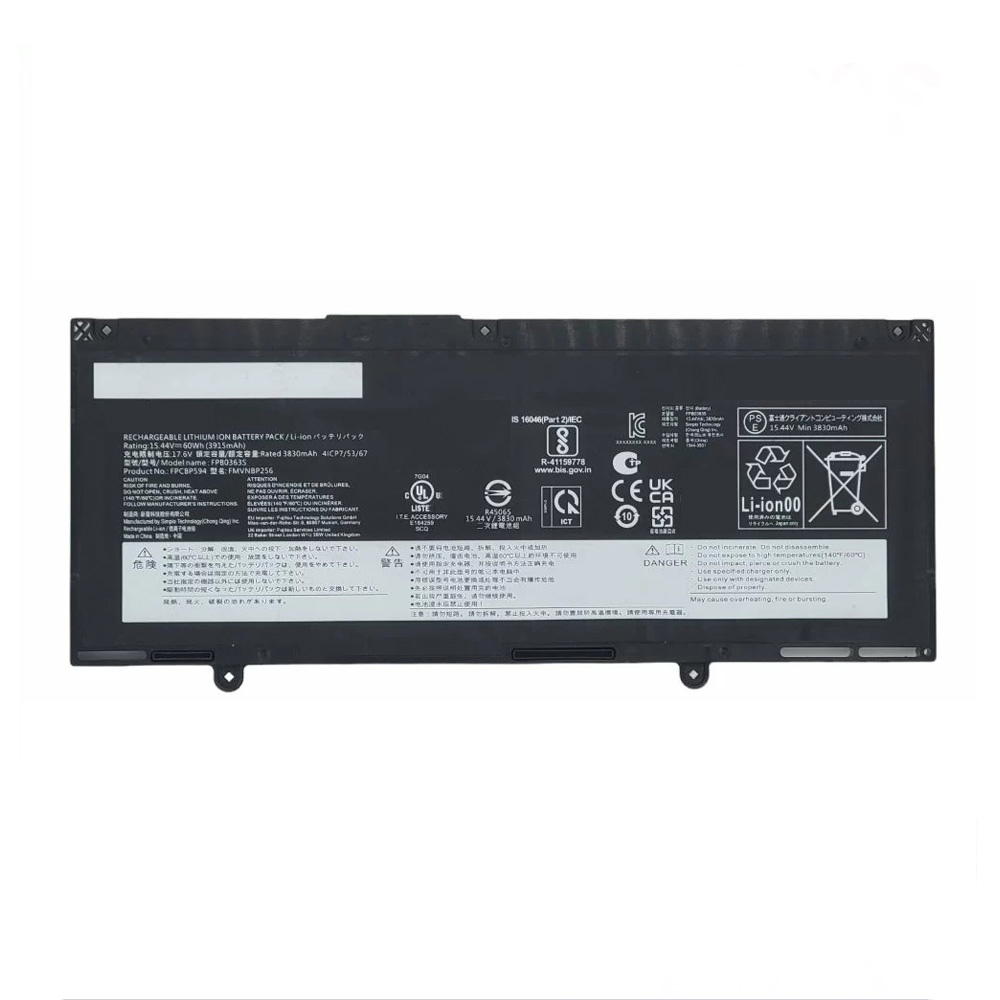
Laptop battery life remains a critical factor for users, whether for work, creativity, or travel. Both HP and Apple have made significant strides in improving battery performance through hardware innovations and intelligent software management. Here’s a look at some of their latest advancements.
HP: Focusing on Longevity and Smart Power Management
HP has introduced several new technologies and models to enhance battery life:
一:OmniBook X 14: The Endurance Leader
This laptop features the highly efficient Snapdragon X Elite processor, delivering exceptional battery life. In real-world tests, it achieves 16-18 hours of typical mixed use and over 17 hours of continuous video playback. Its ARM-based architecture minimizes power consumption without compromising performance, making it ideal for frequent travelers and AI enthusiasts.
二:EliteBook Ultra 14 G1i: Built for Business
Designed for professionals, this model combines Intel Core Ultra processors with enterprise-grade features. It offers 9-14 hours of business productivity and up to 15 hours in power-saving mode. Additionally, it supports rapid charging, reaching 50% battery in just 30 minutes.
三:AI-Powered and Adaptive Technologies
HP’s Smart Sense Adaptive Power Optimization system analyzes usage patterns in real-time, adjusting CPU speeds, GPU allocation, and fan speeds to conserve energy. The dedicated Neural Processing Units (NPUs) in Snapdragon and Intel processors handle background tasks efficiently, reducing idle power drain. HP also uses variable refresh rate (VRR) displays and adaptive brightness to further optimize power consumption.
Apple: Leveraging Hardware-Software Synergy
Apple’s approach emphasizes deep integration between hardware and software:
一:MacBook Air M3: Efficiency with Performance
The MacBook Air M3 is noted for its high-end battery performance, offering up to 20 hours of use on a single charge. The M3 chip efficiently manages everyday tasks, supporting prolonged usage while maintaining a sleek design and high-quality display.
二:Software and Hardware Optimization
Apple’s macOS is finely tuned to work with its custom silicon, such as the M-series chips. This integration allows for intelligent resource allocation, extending battery life without sacrificing responsiveness. The company’s focus on energy efficiency helps devices like the MacBook Air deliver consistently long battery life for various tasks.
Practical Tips for Users
-
Check Battery Capacity (Wh): A higher watt-hour (Wh) rating generally indicates longer battery life, though actual performance depends on usage patterns.
-
Utilize Power-Saving Features: Both HP and Apple devices include built-in settings to optimize battery usage. Enabling these can help extend endurance.
-
Consider Charging Speed: Many newer laptops support fast charging, which is useful for quickly topping up battery levels during short breaks.
Conclusion
Both HP and Apple are pushing the boundaries of laptop battery technology. HP focuses on AI-driven power management and high-capacity batteries in models like the OmniBook X 14 and EliteBook Ultra, while Apple relies on hardware-software integration in devices like the MacBook Air M3 to achieve impressive endurance. These advancements help users stay productive and entertained without constantly worrying about finding a power outlet.